The Sacramento-San Joaquin Delta, an economically disadvantaged region, is ground zero for dozens of proposed carbon management, energy, and industrial projects.
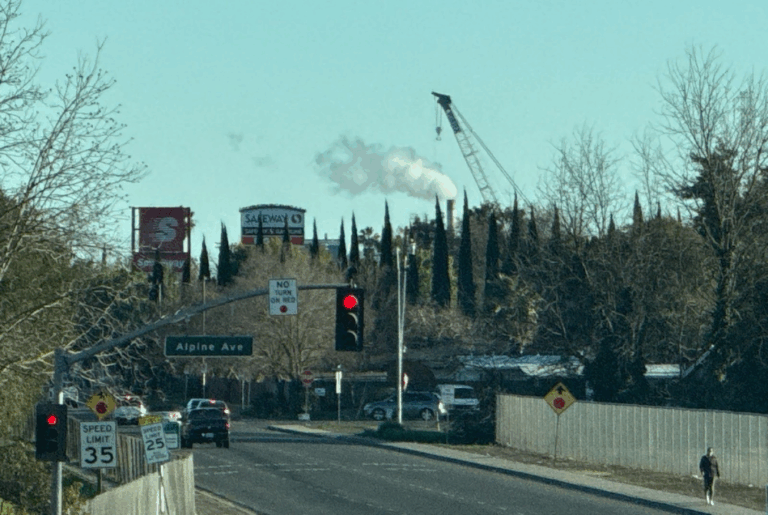
Proposals span geologic CO2 storage sites, CO2 pipelines, and carbon capture, hydrogen and biofuels development, and a private developer land-grab seeking to build a city in a floodplain – all of which live in the background of the state’s devastating Delta Conveyance Project.
Our Carbon & Energy Program emerged to support frontline communities with expertise and advocacy capacity to navigate this rapidly evolving landscape. Our goal is to actively shift decision-making power to the communities who have been most harmed by historical redlining and industry pollution.
We analyze environmental and public health risks of CO2 capture, transport, and storage strategies and emerging energy technologies in the Delta region, and advocate for strong environmental protections and community oversight.
Delta communities deserve the opportunity to become informed and shape regional economic development strategies that will impact us and our families for generations. We host teach-ins with community members about emerging climate interventions to facilitate shared learning. We also publish Brave New Climate, a newsletter about industrial projects and energy policy issues in the Sacramento-San Joaquin Delta region.
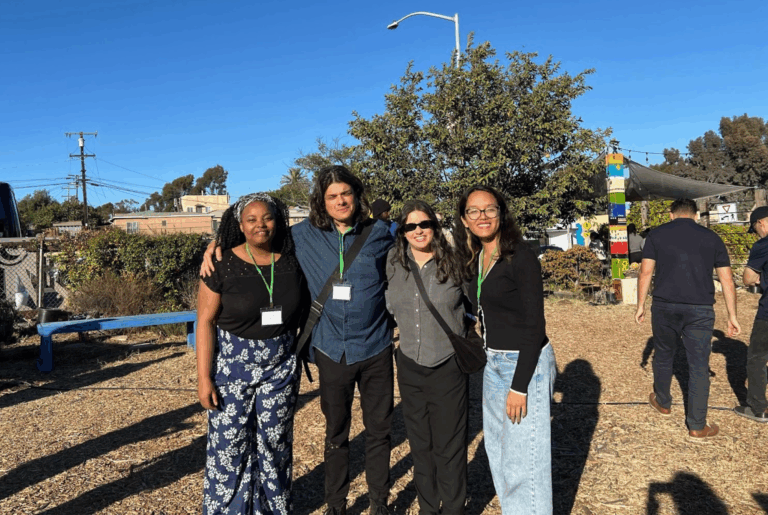
Delta communities deserve the opportunity to become informed and shape regional economic development strategies that will impact us and our families for generations. We host teach-ins with community members about emerging climate interventions to facilitate shared learning.
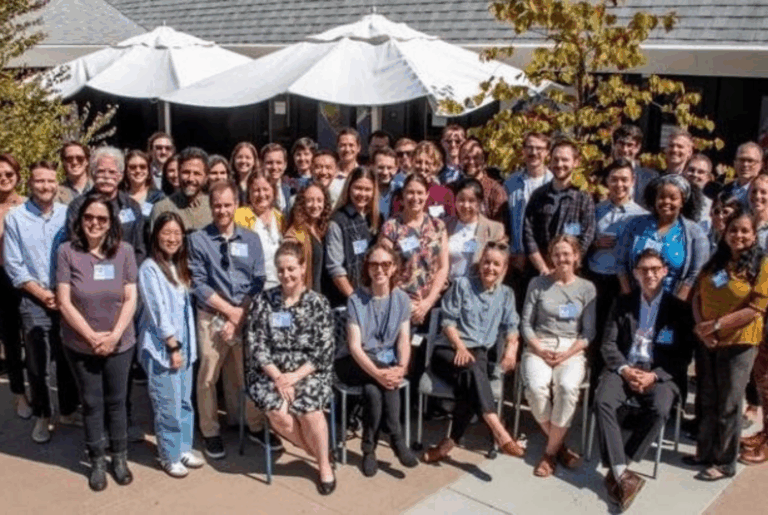
We define Carbon Management as two distinct types of waste management approaches to address climate change – Carbon Capture & Storage (CCS) and Carbon Dioxide Removal (CDR). Carbon Capture & Storage is a tool used to reduce CO2 emissions from stationary pollution sources by capturing CO2 and injecting it deep underground (i.e. geologic storage). Carbon Dioxide Removal is a waste management tool spanning a wide range of nature-based and engineered solutions to remove CO2 directly from the atmosphere.
Health and safety impacts are not yet fully understood, and will vary by project. That said, air quality and water quality could be affected during construction as with any other large infrastructure projects. For carbon management projects, our primary concern is CO2 leakage through wells, faults, and transportation infrastructure in proximity to vulnerable communities. We’ve partnered with researchers at Lawrence Livermore National Lab and the San Francisco Estuary Institute to model worst case scenarios for CO2 leakage in the Delta region, and are continuing to develop priorities for mitigation and emergency preparedness. You can read more about our findings here.
Our Carbon & Energy Program exists to support community members to engage with projects from a place of power. Project developers benefit significantly from community support. Community opposition – whether through community organizing, media campaigns, or litigation – often delays or halts projects. This is a point of leverage for community members and community-based organizations, and all the more reason to engage in learning, evaluating, and taking action in the early stages of development.
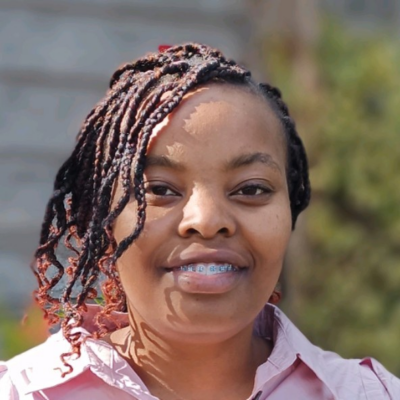
Esther Mburu is the Carbon and Energy Program Manager at Restore the Delta. Her work focuses on the analysis of carbon and energy projects and policies, and exploring their impacts on communities and ecosystems. She has a background in energy and engineering and has worked on various projects, including geothermal operations and energy infrastructure assessments. Before joining Restore the Delta, she served as a summer researcher at Lawrence Berkeley National Laboratory, focusing on energy efficiency. Esther holds a Bachelor’s degree in Petroleum Engineering from Kenyatta University and a Master’s degree in Development Engineering from UC Berkeley. She enjoys being out in nature.
Connect: Esther@restorethedelta.org